Biden’s Age Defense: “The FBI knows my house better than I do”
Insights from White Collar Criminal Defense Attorneys Trusted Nationwide
Right after sitting down with Robert Hur, Joe Biden advised that at any moment he may be interrupted by an important global issue. He then proceeded to indicate lack of knowledge countless times about routine matters. Was Biden feigning ignorance? Is there a legal strategy behind this?
Lets dive deeper….
Both sides of the political spectrum have attacked Robert Hur’s report. Democrats say he set a trap for Biden and Republicans say that he should have recommended prosecution. The truth, neither. Our system of classified records and classification is defunct. Both sides are shielding outdated laws to a system that should not net criminal punishment and the Hur report proves it.
That being said, Hur’s conclusion about lack of “capacity” must be explored in detail.
First, let’s understand the timing of the Biden investigation which is quite important to the overall context:
Initial Discovery: In November 2022, Biden’s attorneys found classified documents dating back to his vice presidency at the Penn Biden Center for Diplomacy and Global Engagement, prompting immediate notification to the National Archives and Records Administration (NARA). This discovery initiated a federal assessment of potential mishandling of classified materials.
Further Discoveries: Subsequent searches in December 2022 and January 2023 uncovered additional classified documents in Biden’s Wilmington home, including his garage and a room described as his private library. These discoveries were promptly reported to the Department of Justice (DOJ).
Investigation and Special Counsel Appointment: The DOJ, recognizing the sensitivity of the matter, appointed a special counsel, Robert Hur, to investigate whether any laws were violated in connection with the mishandling of these documents.
Cooperation and Searches: Biden and his team cooperated fully with the investigation, facilitating searches of his properties. In January 2023, an extensive FBI search of Biden’s Wilmington home resulted in the retrieval of more documents with classified markings.
No Charges Filed: In February 2024, Special Counsel Robert Hur concluded the investigation, finding that although there were lapses in handling sensitive documents, no criminal charges were warranted. The report did, however, criticize the practices of handling such materials.
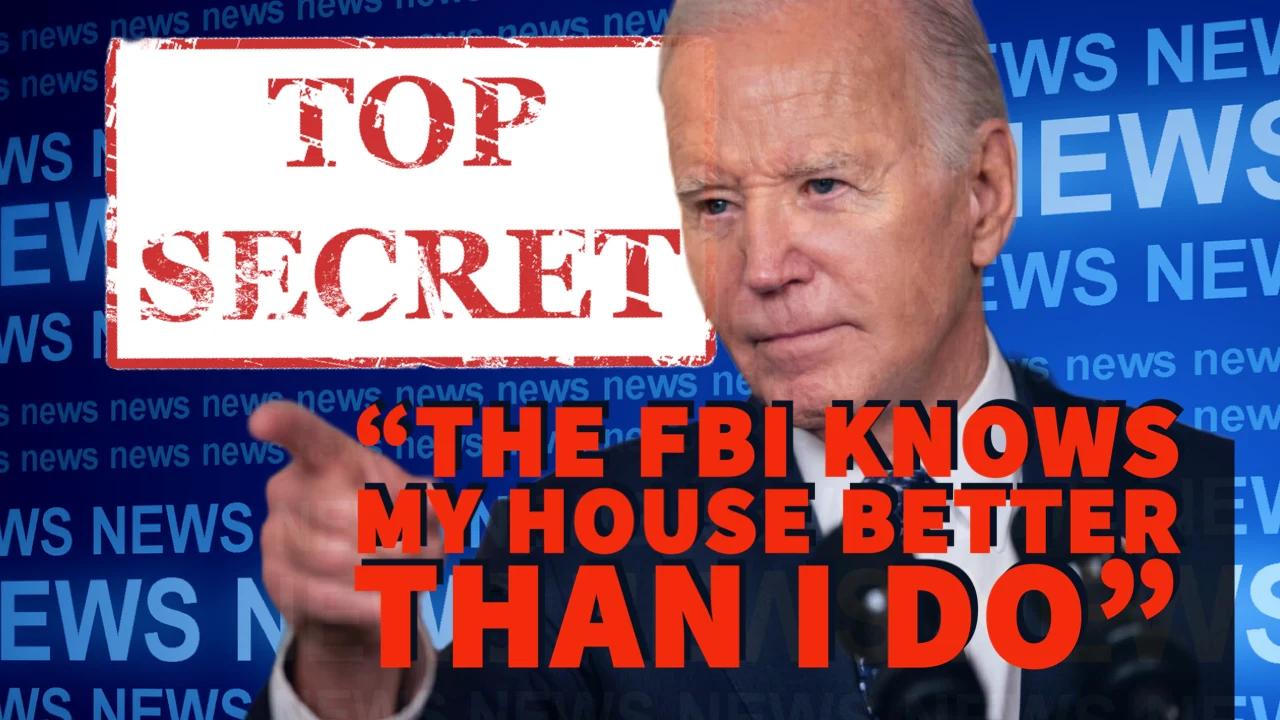
“The FBI knows my house better than I do”
President Joe Biden
The upshot of the classified records investigation is that President Biden’s interview with Special Counsel Robert Hur has cast a shadow of doubt on the President’s competence and transparency. The interview transcript reveals a concerning level of aloofness or lack of knowledge about daily affairs.
Acknowledgment of Unawareness: President Biden frequently stated that he was not aware of the presence of classified documents in his home or office. He expressed surprise upon learning of their discovery, indicating a significant gap in the control and oversight of sensitive materials.
Limited Recollection of Specific Documents: When questioned about individual documents or the circumstances under which they might have been brought into his home or office, President Biden often cited a lack of recollection. This included specifics about document content, how they were handled, and the protocols followed during his tenure as Vice President.
Inability to Recall Conversations or Decisions Related to Document Handling: The transcript reveals instances where President Biden could not recall specific conversations or decisions regarding the handling, storage, or transmission of classified information. This points to a broader issue of recall that could affect perceptions of competence and attention to detail in matters of national security.
Perception of Procedures and Protocols: President Biden’s responses suggest a reliance on staff and established protocols for the handling of classified materials. However, his admitted unawareness of the specific details of these protocols or how they were implemented raises questions about oversight and the delegation of responsibility.
Statements on Document Security and Storage: At various points, President Biden affirmed his belief that proper security measures were in place and that classified documents were stored securely. Yet, his earlier admissions of unawareness contradict the confidence placed in these assertions, highlighting a disconnect between perceived and actual security practices.
When individuals like President Biden engage in voluntary interviews with federal prosecutors, they’re navigating a complex legal landscape. A key legal concern is 18 USC 1001, which criminalizes false statements in federal matters. This law sets a high risk for anyone under investigation, especially in sensitive cases involving classified documents.
A “perjury trap” is when an interview or testimony setup leads someone to potentially perjure themselves, even when there’s no substantial evidence against them for the original issue under investigation. It’s seen by some as a tactic used by prosecutors to leverage legal technicalities against individuals when direct evidence is lacking.
In his interview, Biden’s frequent claims of not knowing or not recalling specifics about the classified documents could be seen as a deliberate legal defense. This strategy might be used to avoid making statements that could later be proven false, thus steering clear of violating 18 USC 1001. By saying he doesn’t know, Biden avoids laying the groundwork for any accusation of making a knowingly false statement.
This approach could serve two purposes: it technically complies with the law by avoiding definitive statements that could be contradicted by evidence, and it attempts to circumvent the so-called perjury trap by not providing any concrete statements that could be scrutinized for perjury.
The interview suggests that Biden, possibly advised by his legal team, opted for a cautious route, emphasizing a lack of detailed knowledge to navigate the legal challenges posed by 18 USC 1001 and the threat of a perjury trap. This cautiousness, while legally prudent, raises questions about transparency and accountability, especially concerning the handling of classified information.
Ronald Chapman II is the founder of Chapman, Dowling & Mallek and a top-rated Michigan federal criminal defense attorney who represents clients in federal courts nationwide. His practice is focused on defending individuals and organizations in complex federal prosecutions, including white-collar criminal matters and healthcare fraud investigations.
Throughout his career, Mr. Chapman has helped clients avoid more than $550 million in potential penalties, primarily in cases involving physicians, healthcare providers, executives, and professionals facing federal charges. He is widely recognized for his work as a Michigan healthcare fraud defense attorney, as well as for his results in white collar criminal defense in Michigan, where cases often involve parallel civil, regulatory, and criminal exposure.
Apr-8-2026
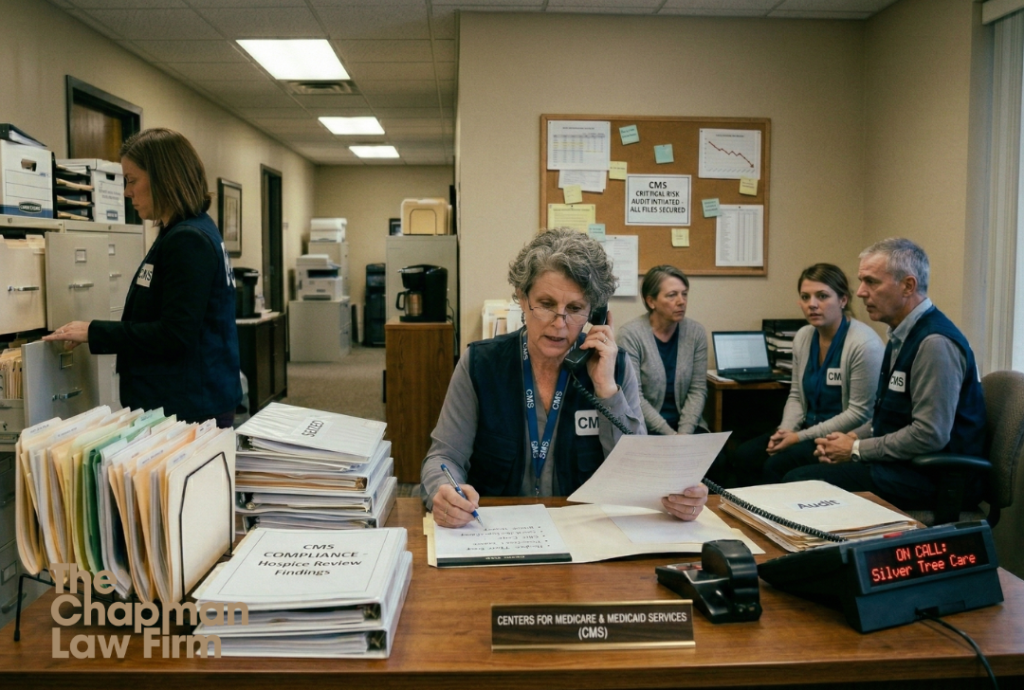
Hospice fraud is a serious enforcement priority for Medicare, and federal regulators are under pressure...
Apr-2-2026
In federal court, some of the most important battles happen after trial—on appeal—where the focus...
Jan-9-2026
Memphis, Tennessee – The verdict returned this week in United States v. Sanjeev Kumar closed...
Dec-31-2025
Dr. Lonnie Joseph Parker, a Texarkana physician, was recently convicted in federal court of unlawfully...
Serving Clients Nationwide.
Chapman, Dowling & Mallek is headquartered in Detroit, Michigan and represents clients in federal investigations and criminal matters across the United States. Our attorneys handle complex federal cases nationwide while maintaining offices in Michigan and other states.
456 E. Milwaukee, Detroit, MI 48202