
Hunter Biden: Vindictive Prosecution?
Insights from White Collar Criminal Defense Attorneys Trusted Nationwide
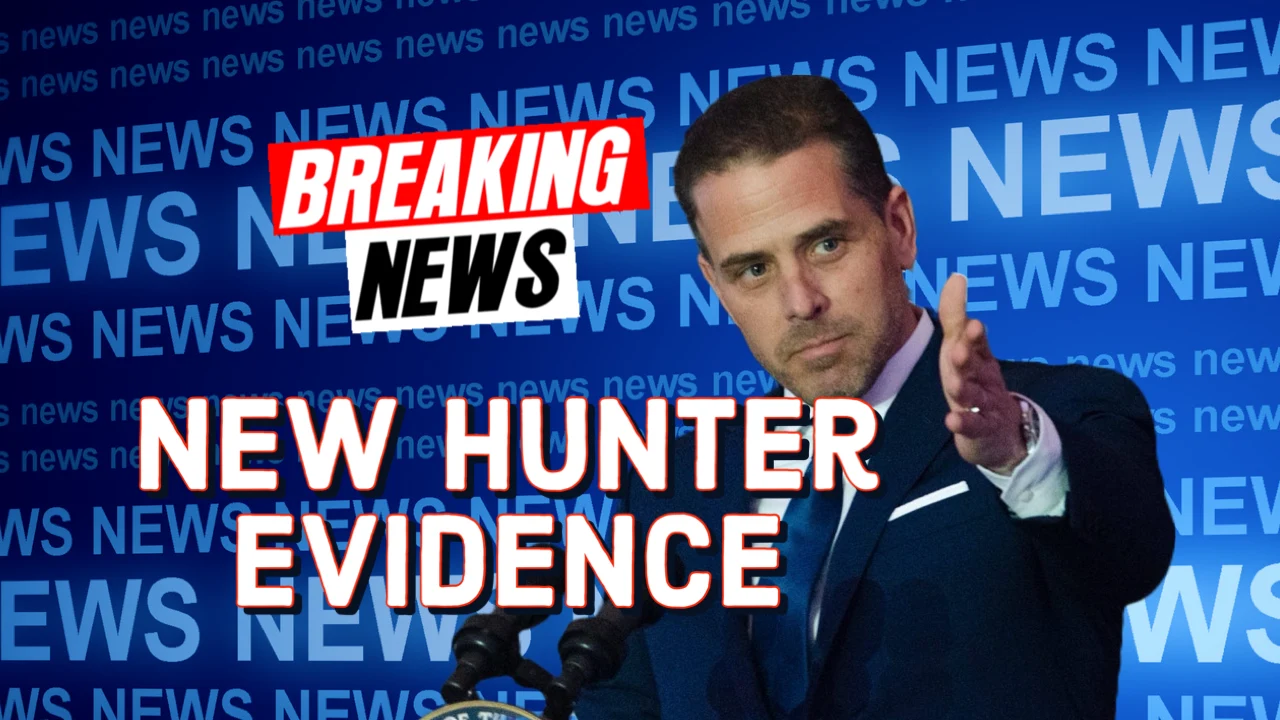
Hunter Biden’s defense counsel is struggling.
Biden’s plea broke down before a federal judge in the middle of the plea hearing, a rare circumstance in any federal courtroom. Biden and his counsel then blamed the judge for being political. Next, Biden filed a motion for “vindictive and selective prosecution,” alleging that his prosecution was political despite Biden’s father being POTUS and the special counsel was appointed by his attorney general.
Special Counsel David Weiss filed a response disputing all of Biden’s claims and making many of them look unsupported, if not foolish. In the motion Weiss specifically alleges that Biden’s counsel made misrepresentations related to plea negotiations to support his claim. A serious allegation in a federal filing.
The explosive response highlighted the ridiculous allegations in Biden’s selective prosecution claim. For instance, Biden alleged selective prosecution. Weiss responded that Biden admitted to smoking crack cocaine “every 15 minutes seven days a week”. Biden alleged that he should not be prosecuted for tax evasion but spent “$10,000 at a sex club” and tried to write it off. He rented a Lamborghini during a drug binge, made payments to various “clubs” as business expenses, and lied to his accountants.
Weiss repeatedly referenced Biden’s memoir, admitting to his conduct as an attempt to profit from his crimes and an admission of his criminal activity.
Read the filing here.
In legal proceedings, the doctrine of vindictive prosecution plays a pivotal role in ensuring the fairness of the prosecutorial process. Federal case law, rich with examples, outlines the boundaries and requirements for asserting a claim of vindictive prosecution, underlining the importance of clear evidence and the defendant’s burden of proof.
At the heart of vindictive prosecution claims is the principle that retaliatory actions by the prosecution, intended to penalize a defendant for exercising a legal right, are unconstitutional. The landmark case, Blackledge v. Perry, 417 U.S. 21 (1974), serves as a foundational stone, illustrating the Supreme Court’s stance on protecting individuals from punitive prosecutorial tactics that undermine the justice system’s integrity.
Federal case law stipulates that defendants alleging vindictive prosecution must provide “clear evidence” to support their claims. This is evident in Reno v. American-Arab Anti-Discrimination Committee, 525 U.S. 471 (1999), and United States v. Armstrong, 517 U.S. 456 (1996), which collectively highlight the demanding nature of the burden placed on defendants. These cases underscore the judiciary’s cautious approach to scrutinizing prosecutorial decisions, acknowledging the broad discretion afforded to the executive branch in criminal prosecutions.
The intricacies of selective prosecution are closely tied to vindictive prosecution, with federal courts requiring defendants to demonstrate a discriminatory effect and purpose behind prosecutorial decisions. United States v. Armstrong emphasizes the necessity of showing that similarly situated individuals were not prosecuted under similar circumstances, illustrating the rigorous standards for establishing selective prosecution claims.
The Supreme Court has delineated between permissible pretrial prosecutorial actions and those that might give rise to a presumption of vindictiveness. In United States v. Goodwin, 457 U.S. 368 (1982), the Court clarified that adding charges during pretrial negotiations is part of the prosecutorial discretion and does not automatically imply vindictiveness. This decision reflects an understanding of the dynamic nature of criminal prosecutions, where charges can evolve as new evidence emerges.
Vindictive prosecution claims often intersect with broader constitutional principles, including the separation of powers. However, as seen in discussions around cases like In re Grand Jury Subpoena Judith Miller, 438 F.3d 1141 (D.C. Cir. 2006), and others, the courts have been skeptical of claims that prosecutorial decisions breach separation of powers principles without substantial evidence of executive overreach or legislative interference in prosecutorial discretion.
Simply put, you need evidence that someone who was similarly situated was not prosecuted and the defendant exercised a right and what charged because of this exercise of a right. It’s pretty clear that Hunter Biden got cold feet, misrepresented the nature of the agreement to the court, then claimed political animus was the reason for the failed plea.
Weiss disposes of all of these arguments in his response.
Ronald Chapman II is the founder of Chapman, Dowling & Mallek and a top-rated Michigan federal criminal defense attorney who represents clients in federal courts nationwide. His practice is focused on defending individuals and organizations in complex federal prosecutions, including white-collar criminal matters and healthcare fraud investigations.
Throughout his career, Mr. Chapman has helped clients avoid more than $550 million in potential penalties, primarily in cases involving physicians, healthcare providers, executives, and professionals facing federal charges. He is widely recognized for his work as a Michigan healthcare fraud defense attorney, as well as for his results in white collar criminal defense in Michigan, where cases often involve parallel civil, regulatory, and criminal exposure.
Apr-8-2026
Hospice fraud is a serious enforcement priority for Medicare, and federal regulators are under pressure...
Apr-2-2026
In federal court, some of the most important battles happen after trial—on appeal—where the focus...
Jan-9-2026
Memphis, Tennessee – The verdict returned this week in United States v. Sanjeev Kumar closed...
Dec-31-2025
Dr. Lonnie Joseph Parker, a Texarkana physician, was recently convicted in federal court of unlawfully...
Serving Clients Nationwide.
Chapman, Dowling & Mallek is headquartered in Detroit, Michigan and represents clients in federal investigations and criminal matters across the United States. Our attorneys handle complex federal cases nationwide while maintaining offices in Michigan and other states.
456 E. Milwaukee, Detroit, MI 48202