
scotus raises concerns over federal sentencing guidelines
Insights from White Collar Criminal Defense Attorneys Trusted Nationwide
Two justices on distinctly opposite sides of the Supreme Court ideological spectrum called out the United States Sentencing Commission recently in a denial of certiorari. The issue arose in Guerrant v. United States, a case in which the defendant appealed the application of the “career offender” enhancement under the federal sentencing guidelines. It’s a nuanced issue but it’s important for understanding the tone of the court.
There’s currently a split among the circuits surrounding the application of the “career offender” enhancement in federal criminal cases. A defendant who has two prior felony convictions for a controlled substance offense qualifies as a career offender and receives a substantially harsher federal sentence. But the problem is that the sentencing commission has not properly defined what constitutes a “controlled substance offense”. The commission defined a controlled substance offense as one under “federal or state law” but the guidelines do not determine what constitutes a controlled substance. Is it one defined by the Controlled Substance Act? Or one defined by the state law in the state the crime was committed? The guidelines remain silent on this.
In absence of a specific definition, courts of appeals have tried to wrangle with this issue and, of course, have split on its application. For instance, the Fourth, Seventh, Eighth, and Tenth Circuits define this under state law whereas the Ninth and Second circuits defer to federal law.
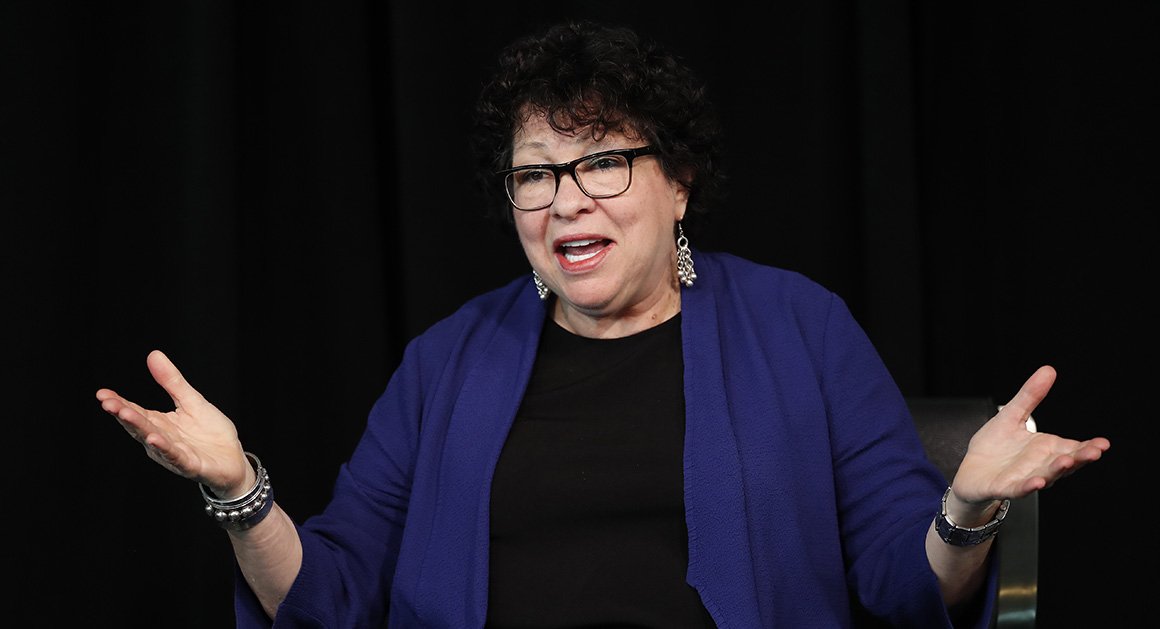
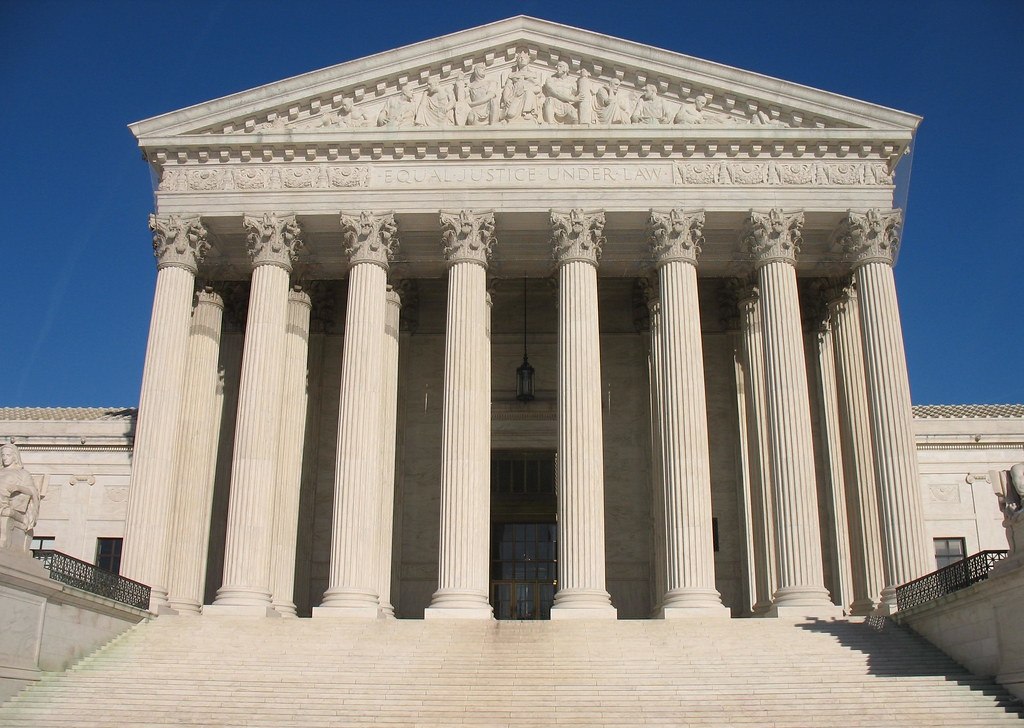
Justice Sotomayer raises concerns over the lack of quorum and action by the Federal Sentencing Commission in resolving important issues
The Court denied Certiorari on this issue, likely believing that this was a policy consideration for the Sentencing Commission and not one for the court but their denial had some harsh words for the Sentencing Commission. Justice Sotomayer wrote that the sentencing commission has lacked the necessary quorum for three years to decide this issue, lacking enough members to vote and decide it once and for all. Needless to say, Justice Sotomayor was displeased and wrote: “I hope in the near future the Commission will be able to resume its important function in our criminal justice system”.
While the Court did not weigh in on this important issue, the booming voice from the bench should provide the proper motivation to bring the Sentencing Commission into compliance and resolve the split in circuits. The unfortunate fallout from this circuit split has caused defendants in different districts to receive different punishment for the same offenses under federal law. The comity here is that this is exactly what the U.S. Sentencing guidelines were created to resolve.
Once again, the bureaucracy in an effort to make something simple has made it endlessly more complicated and caused the problem that it seeks to solve.
If you are seeking a bit more understanding about the sentencing guidelines and their applications, click below to review ContraFed’s comprehensive sentencing guide.
Ronald Chapman II is the founder of Chapman, Dowling & Mallek and a top-rated Michigan federal criminal defense attorney who represents clients in federal courts nationwide. His practice is focused on defending individuals and organizations in complex federal prosecutions, including white-collar criminal matters and healthcare fraud investigations.
Throughout his career, Mr. Chapman has helped clients avoid more than $550 million in potential penalties, primarily in cases involving physicians, healthcare providers, executives, and professionals facing federal charges. He is widely recognized for his work as a Michigan healthcare fraud defense attorney, as well as for his results in white collar criminal defense in Michigan, where cases often involve parallel civil, regulatory, and criminal exposure.
Apr-8-2026
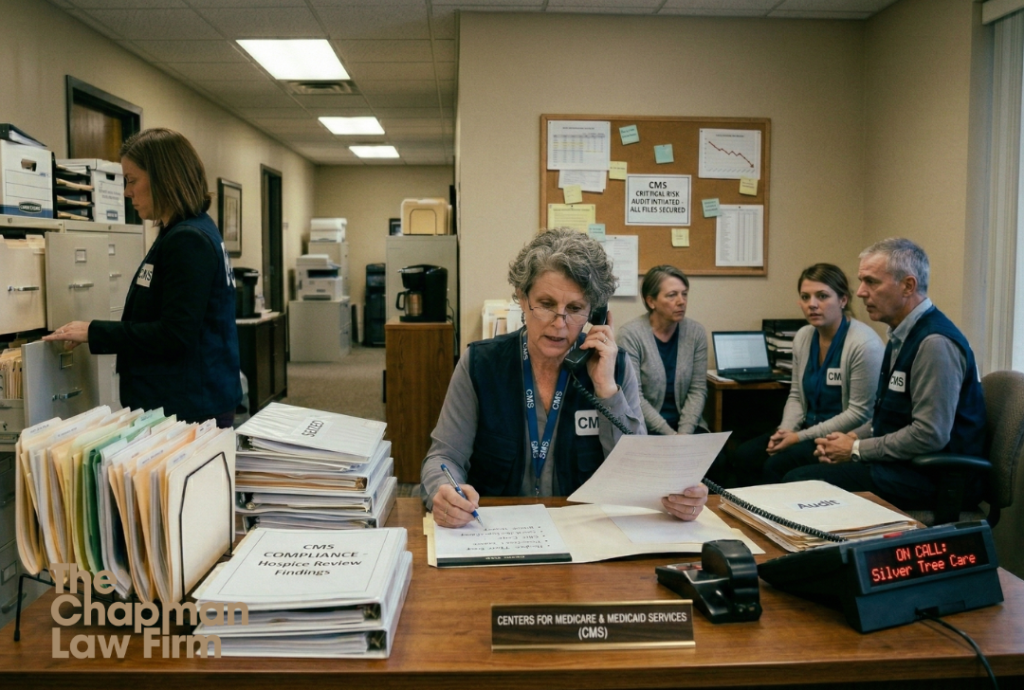
Hospice fraud is a serious enforcement priority for Medicare, and federal regulators are under pressure...
Apr-2-2026
In federal court, some of the most important battles happen after trial—on appeal—where the focus...

Jan-9-2026
Memphis, Tennessee – The verdict returned this week in United States v. Sanjeev Kumar closed...
Dec-31-2025
Dr. Lonnie Joseph Parker, a Texarkana physician, was recently convicted in federal court of unlawfully...
Serving Clients Nationwide.
Chapman, Dowling & Mallek is headquartered in Detroit, Michigan and represents clients in federal investigations and criminal matters across the United States. Our attorneys handle complex federal cases nationwide while maintaining offices in Michigan and other states.
456 E. Milwaukee, Detroit, MI 48202