
Results - Chapman, Dowling & Mallek
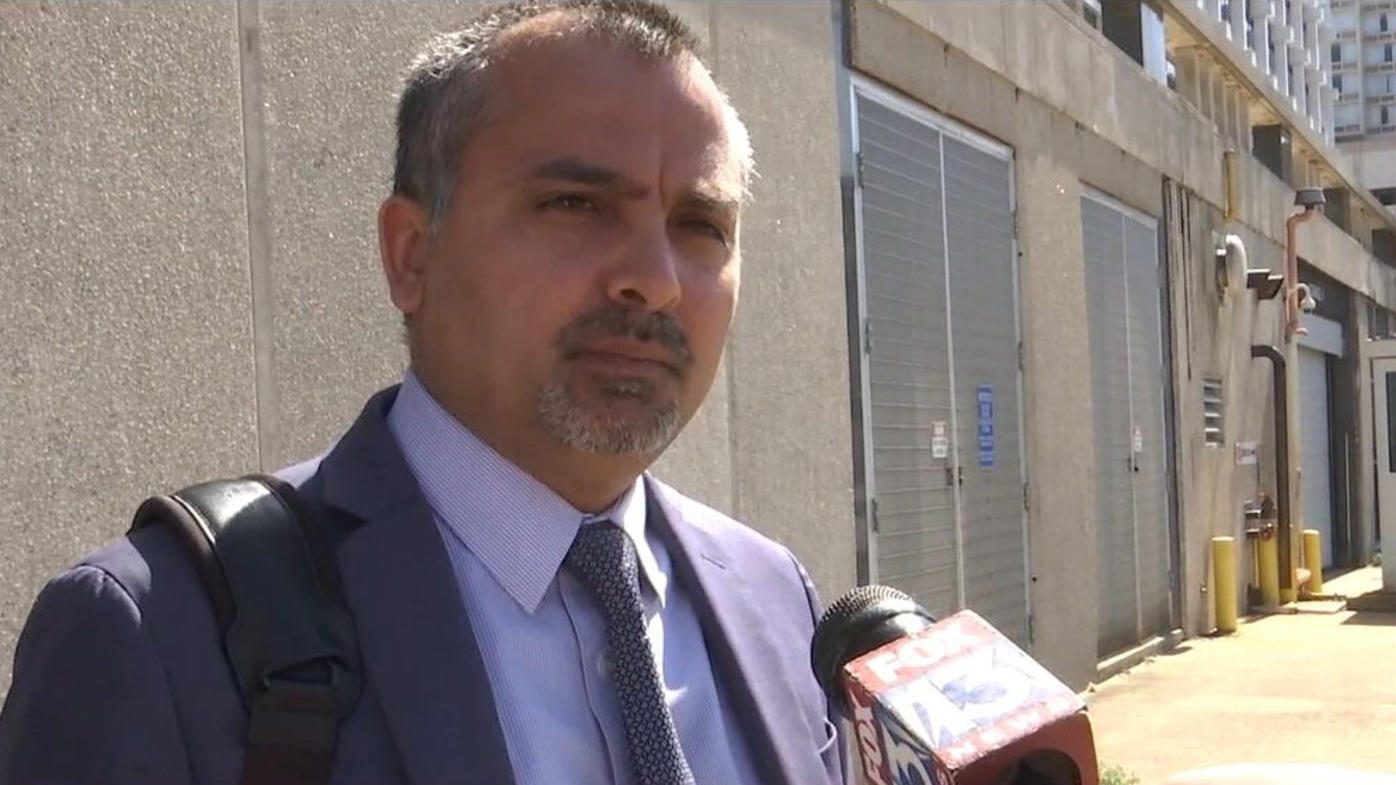
A Federal Judge Reined in an Overbroad Indictment Against Dr. Kumar.
By Ronald W. Chapman II
Date: October 17, 2025
Short version: A federal judge dismissed the most inflammatory counts in the government’s case against my client, Dr. Sanjeev Kumar—including the much‑publicized travel act charges—and threw out a stack of over‑aggregated FDA counts. What remains are a set of specific FDA counts tied to devices seized on a single day and a group of health‑care fraud counts that we will continue to fight.
In February 2025 one of the last actions of United States Attorney Reagan Foundren was to unleash a flurry of charges against a well respected Memphis doctor that have now mostly been dismissed by a Memphis Federal Judge.
In a statement released by her office she said:
“Between 2019 and 2024, Kumar abused women by conducting medically unnecessary gynecologic procedures with medical devices that he held under insanitary conditions and reused on patients when they were required to be disposed of or properly reprocessed.”
The problem with her theory is that it was largely legally insufficient.
The Ruling in Plain English
Prosecutors charged Dr. Kumar under a federal “Travel Act” theory that accused him of enticing patients to travel for “illegal sexual activity.” The Court held that “sexual activity” in this context means conduct done for sexual gratification—and the indictment didn’t even allege that. In the Court’s words, prosecutors cannot “stretch the law to fit the evil.”
Result:
Counts 1–4 dismissed.
The government failed to specifically allege a date. The Court said that’s not allowed. On multiple FDA counts, prosecutors tried to roll thousands of patient procedures—into single counts. That’s called duplicity, and it risks a non‑unanimous verdict because different jurors might convict for different underlying acts.
Result: Counts 5–9, 12–13, 16–18, 21–22, and 25 dismissed as duplicitous.
What still remains (and why).
The Court allowed narrow, single‑event FDA counts to proceed—Counts 10–11, 14–15, 19–20, 23–24, and 26—each tied to a specific device recovered on April 16, 2024.
The Court also let the health‑care fraud counts (27–36) move forward.
The Court rejected a vagueness challenge to the FDA phrase “held for sale” (explaining that using a consumable device in a paid medical service can meet that element), and declined to strike the government’s felony‑intent enhancement at this stage.
We’ll address those counts the old‑fashioned way: by contesting the facts and the law.
Bottom line: The Court agreed that prosecutors pushed the law too far on the most sensational charges and on the “mega‑count” FDA theories. What survives are discrete, testable allegations—not headline fodder. Kumar Order Granting
About that pre‑trial publicity
From day one, the government’s press messaging put the focus on lurid allegations. In its February 28, 2025 press release, the DOJ announced salacious charges; later, DOJ retracted the comments and quotations it originally published on that page—without the splashy do‑over that accompanied the first round of publicity. Department of Justice
The FBI simultaneously published a “Seeking Victim Information” page—an investigative tool, yes, but also a public signal that can amplify fear and encourage pile‑on litigation. Federal Bureau of Investigation
On March 10, 2025, Dr. Kumar’s defense team put it in writing: the case had been “sensationalized,” transforming alleged sterilization/billing disputes into a sex‑trafficking narrative designed to inflame a vulnerable patient population.
Three weeks later, national reporting confirmed that Acting U.S. Attorney Reagan Taylor Fondren was fired by the White House, an unusual move for a career DOJ lawyer. The timing is noteworthy; the reason was never officially tied to this case. Correlation isn’t causation—but the sequence can’t be ignored. AP News
Today’s ruling strips away the most incendiary narrative. The Court’s analysis is careful, methodical, and rooted in strict construction of criminal statutes—not in press releases.
What this means going forward
The case isn’t over. Several counts remain, and Dr. Kumar—as any citizen—is presumed innocent. We intend to litigate the remaining issues on the facts and the law. Kumar Order Granting
Press should follow the record, not the rhetoric. Going forward, coverage should reflect what the Court actually left in the case instead of repeating allegations the Court eliminated. Kumar Order Granting
Prosecutors should rethink megaphone tactics.
When public messaging outruns the law—and then the law pushes back—the damage to patient communities (and to juror pools) is real.
Key documents & timeline
-
2/28/2025 – DOJ announces charges; later retracts quoted statements on the press page. Department of Justice
-
3/10/2025 – Defense letter criticizing sensationalized publicity.
-
3/31/2025 – AP reports Fondren fired by the White House. AP News
-
10/17/2025 – Court dismisses Counts 1–9, 12–13, 16–18, 21–22, 25; narrows case to specific FDA events and health‑care fraud counts. Kumar Order Granting
Indictments should fit the facts; facts shouldn’t be reshaped to fit a headline. Today’s order restores that hierarchy.
Federal Defense Backed by Experience and Results
If you or your practice are facing federal scrutiny, you deserve counsel who understands both the courtroom and the culture of prosecution. Ronald W. Chapman II, founder of Chapman, Dowling & Mallek, has secured numerous federal acquittals across the country and routinely defends clients in the most complex healthcare and white-collar prosecutions.
Our team handles federal criminal defense, healthcare fraud, asset forfeiture, and compliance investigations nationwide. Every case receives the same disciplined preparation and strategic precision that define Ron’s record of success.
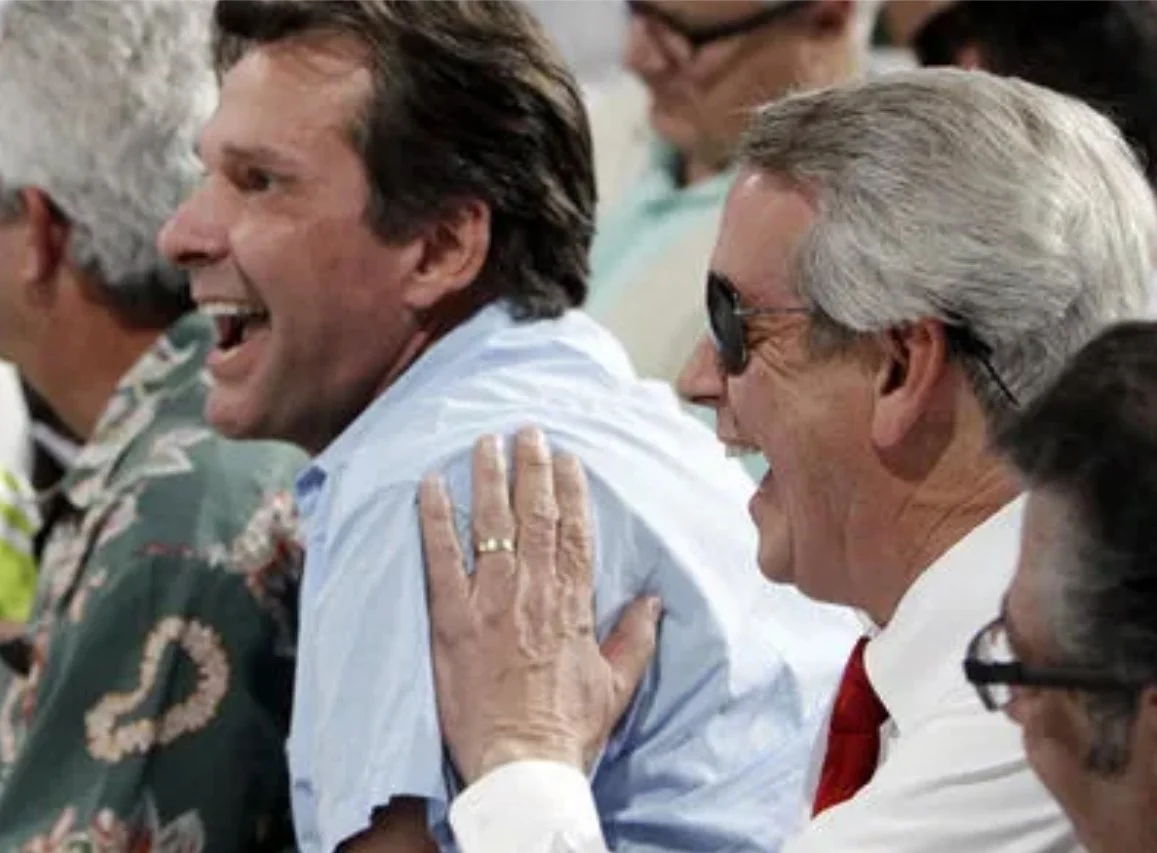 Dr. Kendall Hansen, a prominent Kentucky physician, rose to fame when his namesake horse ran the Kentucky Derby. He appeared in the press again after a 2019 raid on his practice.[/caption]
Dr. Kendall Hansen Acquitted of Drug Trafficking
After 2 and a half days of deliberation, a federal jury emerged from deliberations in Covington, Kentucky, to acquit Dr. Kendall Hansen of drug trafficking. Dr. Hansen, a prominent Kentucky interventional pain physician, was the subject of a federal search warrant on his practice, Interventional Pain Specialists, in 2019. The search warrant alleged that Dr. Hansen unlawfully conspired with others to distribute controlled substances out of the Northern Kentucky practice. After a month-long trial he was acquitted of one count of conspiracy to traffic in drugs and of several other counts of drug trafficking individual prescriptions. He was facing a statutory maximum of over 20 years in prison.
His defense team, Ronald W. Chapman II of Chapman, Dowling & Mallek and investigator Michael Staples of Chapman Consulting Group, were relieved to hear the news after the nearly month-long federal trial.
“Dr. Hansen exceeded standards, including those of ASIPP. The testimony of his well credentialed employees speaks volumes about his skill and compassion as a physician. We were confident in a good outcome. I am grateful he can begin recovering from the damage the DOJ has caused him.” Chapman also commented, “Dr. Hansen has additional remedies available to restore his standing and we are currently assessing those options.”
This is the most recent in a string of victories for Federal Criminal Defense Attorney Ronald W. Chapman II who recently secured the acquittal of Dr. Thomas Sachy, Dr. David Lewis, Dr. Loey Kousa, Dr. Lesly Pompy in separate trials since June of 2022. Chapman has secured more acquittals for physicians facing drug trafficking and healthcare fraud than any attorney in the country. One of which the Detroit Free Press named the biggest loss for the Detroit United States Attorney’s Office in more than a decade.
The Suspicious Origins of Hansen’s Case
The origins of the case, relate back to former attorney Eric Deters a disbarred Northern Kentucky Attorney. Deters, known (and disbarred) for his unethical litigation tactics has pursued physicians by leveraging his relationship with Federal Law Enforcement. He has previously been convicted of menacing and once threatened to burn down a courthouse.
In pursuit of his next target, Deters levied a slew of malpractice suits against Hansen. To support these suits he frequently communicated with law enforcement agents in an attempt to draw out a Federal case. Deters placed in investigator in the courtroom every day of the month-long trial and provided nightly coverage on his YouTube channel in an attempt to support his suits with negative publicity.
The Government Attempted to Allege Over 11 Patient Deaths
Dr. Hansen was indicted along with another physician, Dr. Michael Fletcher. The government alleged that Dr. Hansen and Dr. Fletcher were involved in the deaths of over 11 patients who were treated at Interventional Pain Specialists. But as the month-long trial wore on, it became readily apparent that causation was in question. The government witnesses included a few employees from the practice, family members of deceased patients, and an expert witness, Dr. Timothy King.
In addition, the government called Kentucky’s Chief Medical Examiner, Dr. Bill Ralston, to testify that Dr. Hansen and Dr. Fletcher caused the deaths of the patients in question. Several of the patients involved in the government’s case didn’t even have an autopsy. Others were missing vital information such as a proper scene investigation. Cross-examination of several family members of the victims uncovered potentially nefarious actions, including one who admitted to providing the drug heroin to one of Dr. Hansen’s patients, who was suffering from cancer, and assisting her in avoiding detection by the practice.
Dr. Timothy King provided a well-prepared direct examination applying his patent-pending objective standard for determining when a physician is drug dealing. However, on cross-examination, he couldn’t escape the fact that much of the language in his patented approach was not derived from even the highest standards applicable to interventional pain physicians, the ASIPP guidelines. It became abundantly clear that he espoused an ivory tower view of what a physician must do in order to avoid being charged as a drug dealer. In one very bizarre instance, Dr. King claimed that a physician should have reviewed 3000 pages of hospital records to determine if the patient showed apparent signs of addiction or abuse.
Dr. King was also sketchy on some of the fundamental tenets of pain management practice. He claimed that 40 morphine milligram equivalence was a high dose. He also claimed that the DSM-5 would consider a patient who has withdrawal due to tolerance an addicted patient.
The Defense Case Included Crucial Testimony from Employees, Patients and an Expert Witness
The defense case included testimony from vital employee witnesses, many of whom had been with Dr. Hansen for over a decade, and some for over two decades. In addition, several of his patients, including prominent members of the community, a former prosecutor, the county coroner for a local county, and nurses who started their career with Dr. Hansen, all congregated at the federal courthouse to inform the jury about their experience with the interventional pain physician. One medical assistant, who later became a physician, testified about his beginnings at Dr. Hansen’s practice. He fondly recalled Dr. Hansen training him and helping him understand the practice of medicine. Defense testimony was capped off with the expert testimony of Dr. James Patrick Murphy.
Dr. Murphy provided the jury with the actual standard for when we determine that a physician is unlawfully prescribing. He reviewed over 27 cases from IPS and determined that there was no illegal conduct and that Dr. Hansen’s care exceeded all available standards.
Dr. Hansen is grateful for the jury’s time and attention in evaluating the case. He is also grateful for the work and attention of the court staff. His attorney, Ronald Chapman II, hopes that this victory signals to federal prosecutors that disrupting a physician’s practice for years and casting their patients away as pariahs should not be done based on standards put forth by experts such as Dr. Timothy King.
In Over 30 Years of Pain Management Practice Hansen Developed a world-class Facility in Northern Kentucky
One patient who testified informed the 12 Kentucky jurors that Dr. Hansen treated her better than the physicians at the Cleveland clinic and helped her avoid the ER during debilitating episodes by pursuing alternative treatment for her headache. Another patient testified that Hansen gave him his life back by allowing him to function and enjoy time with his grandkids. Dr. Kelly King a local chiropractor testified that he and Hansen met when a patient of Hansens had a tremendously successful outcome. Hansen was excited to meet him fostering a working relationship that involved treatment of over 1,000 mutual patients. Dr. King testified that the patients had great outcomes.
Hansen’s success came from his ability to attract world-class talent to the small Northern Kentucky community. Physicians from the Mayo Clinic, Harvard, and other prominent institutions trained under Hansen before starting their own practices. He was able to acquire seven C-Arm machines and staff seven operating rooms to effectively treat the residents of Cincinnati and Northern Kentucky.
Unfortunately, the implementation of House Bill 1 and the CDC Guidelines pushed Kentucky’s pain patients on pain management physicians who weren’t equipped to handle treatment of the influx of complex pain patients – some of which received high doses of pain medication from prior prescribers. Hansen rose to the challenge by accepting patients, hiring staff, and modifying office procedures to assist patients while still maintaining compliance.
After the closure of several prominent pain management practices in the area, Dr. Hansen worked to assist patients in pain. An initiative that is currently supported by Health and Human Services Interagency Task Force Guidelines. This effort would later be criticized by federal prosecutors who alleged that he was assisting patients who came from practices that were “shut down”.
Prosecutors repeatedly attempted to introduce evidence of the status of local practices in an attempt to stigmatize Dr. Hansen’s patients. This has been a favored tactic of the DEA when an area practice closes due to federal or state enforcement. Dr. Lesly Pompy faced this after the closure of the practice of Oscar Linares.
Brighton Nursing Home Administrator Charged with Health Care Fraud
Two nurse administrators in the Western District of Pennsylvania were acquitted after a five week trial in Pittsburgh. The nurses and others including the CEO of a large nursing home corporation were charged with health care fraud related to allegations of understaffing. The United States Attorney for the Western District of Pennsylvania, lead by Bob Cessar spearheaded an investigation which began as an inquiry into a high number of COVID deaths in the nursing homes.
A Novel Theory of Health Care Fraud
Unfortunately, for the Government, that investigation did not bear fruit given that the large number of deaths was attributable to conflicting guidance provided to the nursing home. Having spent considerable resources investigating the matter, the FBI and other law enforcement pivoted their efforts in an attempt to allege that the nursing homes were short staffed and the short staffing violated state requirements. Additionally, the Government alleged that this short staffing amounted to health care fraud because the federal government requires adequate staffing for federal funding.
This is the most recent in a long line of efforts to repackage contractual breaches as health care fraud allegations. Not so long ago, Justice Thomas in Universal Health Ex Rel Escobar (follow link for a full breakdown) made clear that non-compliance with regulations does not amount to a false claim much less health care fraud. Most recently in Ciminelli v. United States, the Supreme Court again made clear that deprivation of the intangible right to control a party’s actions in conformance with a contract does not amount to healthcare fraud.
To read about Cimninelli’s impact on health care fraud click here.
The Acquittal of Individual Defendants
Undeterred, the Government brought this theory to trial against Comprehensive Healthcare Management Services, Sam Halper, and the two nurses Susan Gilbert and Eva Hamilton along with others. Fortunately, the defendants did not have to wait to test the Government’s theory in the appellate court. Thanks to the skilled litigation by the defense team lead by Jonathan Meltz of the Chapman Law, Kirk Ogrosky of Goodwin Proctor, Paul Pelletier and others, the defense was able to secure the full acquittal of all individual defendants.
Note: Ronald Chapman II participated in the investigation and defense of Defendant Eva Hamilton who was acquitted. However, due to a trial conflict, Paul Pellitier represented Ms. Hamilton at trial.
The acquittal of Dr. Kousa marks the fifth prominent Federal acquittal this year by Ronald W. Chapman II in healthcare fraud and opioid cases. Previously he defended Dr. Lesly Pompy, Dr. David Lewis and Dr. Thomas Sachy all acquitted of drug trafficking and healthcare fraud charges and Dr. Reyes who received dismissal of a federal healthcare fraud indictment.
Paintsville Kentucky Doctor Acquitted of All Nine Charges Including Drug Distribution and Healthcare Fraud
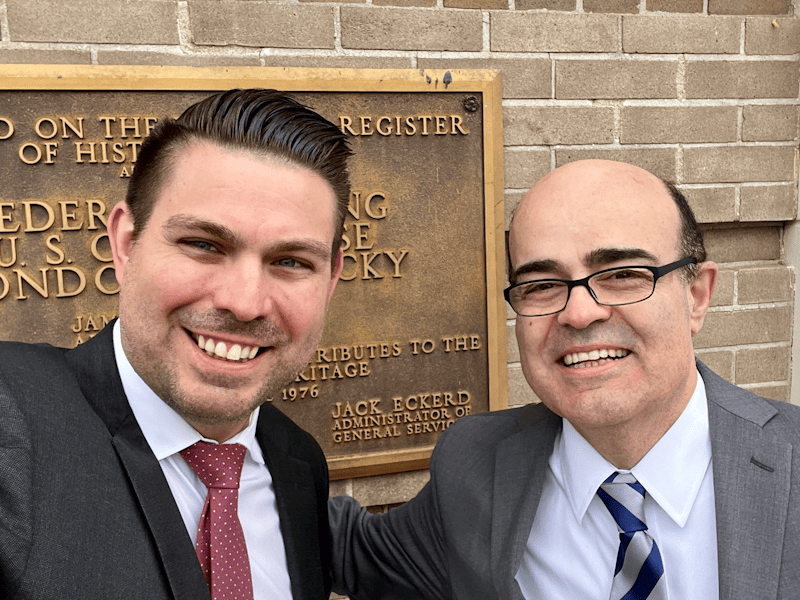
If you take the nearly three-hour drive from Lexington Kentucky into the Appalachian mountains you’ll eventually come across a small mining town not far from the West Virginia boarder called Paintsville. Some tourists find beauty in its rugged hills, creeks and lakes. Others work a hard day in the coal mines exposing themselves to black lung and other diseases.
Nearly 30 years ago a Syrian immigrant came to the United States to practice medicine. At that time, doctors who agreed to work in underserved communities found an easier path to licensure and citizenship. 30 years later Dr. Loey Kousa could still be found rushing to the local Paul B. Hospital in the evening to treat a patient or handling the wealth of primary care complaints impacting local residents.
Every day for 30 years Dr. Kousa would work nearly 16 hours a day, rounding at the hospital early in the morning, a primary care shift at his practice during the day, and another set of rounds and the hospital or the local nursing home in the evening. He’d stay up late charting and then wake up early to rinse and repeat. He did it because he loved medicine, he did it because he loved his patients, and he did it because that’s how he created a beautiful life for his family.
DEA Undercover Operation During COVID-19
On April 15, 2021 a DEA undercover operation launched by the local task force, which had targeted other local doctors, was turned on Dr. Kousa.
Typically the DEA will target a physician who is an outlier and where there was at least some smoke. But this small town task force that had acquired a lot of hammers from the Appalachian Regional Prescription Opioid Task Force was running out of nails. So they targeted Dr. Kousa.
Armed with a camera secretly placed in a key fob and a long list of “fake” medical ailments the undercover scheduled an appointment to see Dr. Kousa during the worst pandemic this country has faced since the Spanish Flu – a time when our healthcare workers were hailed as heroes.
Ignoring the fact that both Kentucky and the DEA greatly relaxed rules for physical examinations and prescribing standards – the DEA Task Force Officer plodded ahead in his investigation to try to get controlled substances from Dr. Kousa. No doubt relishing the idea that he could ensnare a physician and anticipating the back slapping that would ensue.
He lied about his ailments, claiming a shoulder injury, bipolar disorder, and high blood pressure. He lied about his pain, claiming he couldn’t sleep and was “crushing Tylenol”. Offering greater service than both the DEA and Kentucky regulations require (Telehealth was uniformly authorized), Dr. Kousa had his patient come in the office and get an x-ray, urine drug test, bloodwork and a complete workup.
What was missing?
A physical examination which was not required by Medicare, Medicaid, and the DEA.
After five visits, relentless pressure from the undercover, and a review of tests, Dr. Kousa reluctantly prescribed a low dose of a drug that was originally not a controlled substance, Ultram. After another visit and more pain complaints Dr. Kousa began to prescribe a low dose of 5mg Hydrocodone. The trap was sprung.
Not long after, Agents from the FBI, DEA, and local authorities swarmed his office, carted out medical files and began interviewing his patients and staff. But after a lengthy investigation into a supposed pill mill, they were only left with evidence of the undercover visit and some charting errors.
Dr. Kousa Indicted for Drug Trafficking and Healthcare Fraud
An indictment came shortly after, charging Dr. Kousa with violation of 21 U.S.C. 841(a)(1) unlawful distribution of controlled substances. A charge that was supposed to be for drug dealers but has now become a DEA tool to shape the practice of medicine. Federal prosecutors sprinkled on other charges based on charting errors and over-billing evaluation and management codes.
The case was set for trial in July 2023 in London Kentucky, an almost three-hour drive for the patients and local physicians who supported him.
Dr Kousa’s trial attorneys, Ronald W. Chapman II and Matthew Pelcowitz of Chapman, Dowling & Mallek prepared a robust defense which included the local ER physicians from Paul B. Hospital, a Pharmacist patient who had seen Dr. Kousa for 30 years and several other local resident patients as well as expert witnesses Dr. James Murphy, Sean Weiss, and Mike Staples.
Cross-examination of the undercover detective revealed that he entered the practice not knowing DEA restrictions and he later admitted that Dr. Kousa did more than the DEA required him to do. Cross-examination of the Government’s Colorado expert showed a highly technical application of the requirements of the practice of medicine – a standard not fitting for a small town Appalachian doctor.
Gaps in the government investigation were evident- no medical board complaints, no significant prior insurance audits, no pharmacists complaints, no signs of over medicated or intoxicated patients. The case fit like a round peg in the traditional pill mill square hole.
The Acquittal of Dr. Loey Kousa
After four days of Government evidence and a two-day defense case, closing arguments were delivered and the jury began deliberations. The jury emerged the next morning with a verdict.
Not Guilty on Count 1,
Not Guilty on Count 2,
Not Guilty on Count 3,
Not Guilty on Count 4,
Not Guilty on Count 5,
Not Guilty on Count 6,
Not Guilty on Count 7,
Not Guilty on Count 8,
Not Guilty on Count 9
Dr. Kousa’s head slumped as the verdict was read, the weight of the last three years visibly lifting off of his shoulders. His sister, also a physician in Paintsville quietly sobbed in the back of the courtroom. That night, Dr. Kousa drove with his wife, sister, and three young children home to begin his life anew.
In the world of medicine, the role of a rheumatologist is critical in diagnosing and treating complex conditions affecting the joints, bones, and immune system. One such prominent rheumatologist, an esteemed author and specialist, found themselves facing a daunting challenge when accused of healthcare fraud.
Healthcare fraud is an unlawful act that involves manipulating the healthcare system for personal gain. In this case, allegations of healthcare fraud were levied against the rheumatologist, casting a cloud of uncertainty over their illustrious career. Such accusations can lead to devastating consequences, including criminal charges, loss of reputation, and potential imprisonment.
When the Department of Justice launched an investigation into the allegations of unlawful billing, the rheumatologist’s future hung in the balance. Federal agencies, armed with substantial resources and legal authority, began scrutinizing the claims of fraudulent activity. The government’s focus on whether employees were instructed to modify patient charts unilaterally raised the stakes in the investigation.
Facing the grave seriousness of the allegations, the rheumatologist’s legal team, led by Ronald W. Chapman II, initiated an extensive internal investigation. The goal was to determine if there was any evidence to support the claims of fraudulent activity within the physician’s practice. This proactive approach demonstrated a commitment to uncovering the truth and addressing any potential misconduct.
A Proactive Internal Investigation Increases Chances of Dismissal
With the internal investigation complete, the legal team engaged in discussions with prosecutors. In a bid to strengthen their case and provide evidence of innocence, they presented a certification from a reputable expert affirming that no findings of fraud were uncovered during the internal investigation. This certification bolstered the physician’s defense against the allegations.
Through the tireless efforts of Ronald W. Chapman II and his legal team, the government opted to close the investigation without issuing an indictment. The absence of an indictment meant that the government found insufficient evidence to proceed with criminal charges against the rheumatologist. This outcome was nothing short of a monumental victory, allowing the physician to reclaim their reputation and return to their life’s passion—providing exceptional medical care to patients in need.
The case of the nationally recognized rheumatologist accused of healthcare fraud exemplifies the gravity of false allegations and the relentless pursuit of justice. As the legal team skillfully navigated the investigative process, the weight of potential criminal charges hung over the physician’s career. However, their unwavering determination and rigorous internal investigation ultimately led to a resounding triumph—a closure of the case without indictment. This victory reaffirms the significance of due process, expert legal counsel, and the pursuit of truth in safeguarding the reputations and livelihoods of those falsely accused.
Macon Physician Dr. Thomas Sachy Secures Dismissal of Charges that he Caused the Death of Two Pain Patients
Dr. Thomas Sachy, a neuropsychiatrist who worked near Macon Georgia, was indicted in 2018 for operating a “pill mill” and causing the deaths of two patients. Both charges carry a mandatory minimum sentence of 20 years in prison – each. After a hard fought victory, Dr. Sachy will walk out of the federal courthouse in Columbus, GA a free man on May 11, 2023 after a five year battle with the federal government and DEA.
His attorneys, Ronald W. Chapman II and Meggan Sullivan are grateful that they could secure freedom for yet another physician targeted by the DEA.
The once well respected neuropsychiatrist was an expert forensic psychiatrist in many high-profile Georgia murder cases, physician board reviewer for the Georgia Board of Medicine and guest speaker for the Georgia Bar.
But in 2016 the DEA received an anonymous tip from a patient’s sister that spawned a DEA investigation. The investigation would land Dr. Thomas Sachy in the crosshairs of the federal government and a five year legal battle for causing the death of two patients and over-prescribing opioids to a Bibb County Deputy Sheriff.
Dr. Sachy Indicted and Jailed for Unlawful Distribution
In 2018, agents from the DEA burst through the door of the neuropsychiatrist’s practice and, as one patient would describe, held patients and staff at gunpoint. Dr. Sachy, the prominent Georgia Physician was arrested along with his 80 year old mother, his wife, and a nurse that worked at the practice.
After an undercover patient visit was unsuccessful in securing a prescription for opioid pain medication, the DEA pivoted and alleged that Dr. Sachy caused the death of two patients. Both patients suffered from significant heart issues. Dr. Sachy was jailed for nearly three years after his arrest and was only able to secure his release after the landmark Supreme Court decision in Ruan v. United States which clarified the standard for when a physician could be convicted of unlawful distribution.
Under the new standard, Dr. Sachy proceeded to trial in the Middle District of Georgia in May of 2023.
The Trial of Dr. Sachy
The Government opened its case with the testimony of family members of the deceased who provided emotional testimony about their loved ones and their use of opioids. Federal prosecutors, however, ran into problems during the technical aspects of their case.
First, an expert anesthesiologist for the Government, Dr. Barry Straus testified that the standard for drug trafficking for a physician is the same as the standard applied by the Georgia Board. During his thorough cross-examination by Ronald W. Chapman II he attempted to convince the jury that any physician prescribing over 200 morphine milligrams per day of opiates that is not board certified in pain should be prosecuted. No such standard is found anywhere in the law or regulations surrounding opioid prescribing.
Defense Secures Exclusion of Expert Forensic Toxicologist Stacy Hail
The Government then attempted to establish that the opioids prescribed by Dr. Sachy caused the death of two patients – an effort that would later fail resulting in dismissal of the two death charges.
The dismissal came immediately after the testimony of Forensic Toxicologist Stacy Hail was excluded from trial. Dr. Hail began her testimony on the morning of May 9th armed with a whiteboard and marker, engaged in a preformative display in front of the jury where she described how opioids can cause death. Her testimony was abruptly halted by an objection from Ronald W. Chapman II after she testified that medication bottles was found near the body of one of the deceased patients. This was untrue and prosecutors would later admit that the error was due to Stacy Hail mixing up one of her many other assignments as an expert toxicologist.
The objection spawned defense arguments before District Judge Clay Land ultimately resulting in the exclusion of testimony from the medical examiner who conducted the “limited autopsy”. The defense objected to the introduction of toxicology reports that lacked a foundation laid by the lab tech preparing the report. Prosecutors admitted that prior to trial they had not secured the testimony of the lab tech and did not intend to call the person who tested the sample during their case – a violation of Dr. Sachy’s sixth amendment right to confrontation.
Late in the afternoon, its case dismantled by the exclusion of two important witnesses, the prosecution rose to admit that it lacked the basic foundational toxicology evidence needed to move forward with the charges.
The Government rested its case shortly after.
On May 9, 2023, seven days into the trial that was expected to last nearly a month, Judge Clay Land of the Middle District of Georgia dismissed two charges of the indictment which alleged that Dr. Sachy distributed controlled substances causing the death of two patients.
The Defense Calls Patients of Dr. Sachy Who Suffered from Debilitating Pain
Still remaining were charges that Dr. Sachy ran a drug involved premises, engaged in a conspiracy to unlawfully distribute, and unlawfully prescribed to three specific patients.
The next day the defense called 10 witnesses including former patients of Dr. Sachy who described their debilitating ailments, family members of deceased patients, an addictionologist who evaluated pain patients for Dr. Sachy. The defense began to erase a picture created by Federal Prosecutors that tolerance equates to addiction and that aberrant behaviors require dismissal. The brother of a patient who later committed suicide due to untreated pain provided emotionally charged testimony. The patient was abruptly refused pain medication following the arrest and indictment of two of his physicians. The witness described Dr. Sachy as his brother’s savior and told the jury that Dr. Sachy gave him some semblance of his life back.
Two other patients, a husband and wife, both testified after allegations by the Government’s expert Dr. Barry Straus, that it was inappropriate to see patients residing in the same household. The husband and wife duo testified that they both had severe pain, one suffering from fibromyalgia and another suffering from pain as a result of an accident that required him to be cut out of his car by EMS. Meggan Sullivan lead the examinations and walked the jury through the debilitating pain that Dr. Sachy’s patients suffered from.
Prosecutors Agree to Dismiss the Remaining Charges of Drug Conspiracy, Unlawful Drug Distribution, and Money Laundering
At the end of the first day of the Defense case that was expected to last three days and culminate in the testimony of Dr. Sachy’s expert witness Dr. James Murphy, the Federal Prosecutors approached Dr. Sachy with a resolution. The resolution would result in the dismissal of all charges in the indictment related to opioid distribution, no jail time, and the return of $1.2 million in assets seized by the Federal Government.
As a result of the agreement, Dr. Sachy walked out of the Federal Courthouse in Columbus Georgia a free man.
The result was secured by significant efforts from Dr. Sachy’s investigators Safe Harbor Group, his attorneys Ronald W. Chapman and Meggan Sullivan and the hard working staff at Chapman, Dowling & Mallek.
Ronald W. Chapman II is a federal defense attorney, author of “Unraveling Federal Criminal Investigations” , and frequent TV news commentator who regularly defends physicians facing allegations of unlawful distribution. He is also the president of CCG Healthcare a healthcare consulting firm devoted to aiding physicians and health care practices with compliance to avoid career ending federal investigations and charges related to health care fraud and opioid distribution.
A federal jury acquitted Dr. Lesly Pompy of unlawful prescribing, healthcare fraud, and maintaining a drug involved premises after a month-long trial. Dr. Pompy was represented by Ronald Chapman II of the founder of Chapman, Dowling & Mallek. He was also represented by George Donnini and Joe Richotte of Butzel Long. The Government was represented by Wayne Pratt and Andrew Lievense of the U.S. Attorney’s Office for the Eastern District of Michigan. The trial lasted over a month and the jury deliberated about two and a half days before reaching a verdict of acquittal on all counts. This is the second subsequent acquittal achieved by Ronald Chapman against this office, the prior acquittal was of Dr. David Lewis who was charged, along with Dr. Rajendra Bothera and others in a $450 million health care fraud indictment.
The CHARGES AGAINST DR. LESLY POMPY
Dr. Lesly Pompy is an interventional pain management physician trained by the Cleveland Clinic who operated in Monroe Michigan handling some of the most complex pain management patients. His office was the subject of a DEA raid after the Monroe Area Narcotics Team (MANTIS) conducted an undercover operation into his practice. MANTIS sent in an undercover who was a Blue Cross Blue Shield investigator to attempt to receive pain medications. The undercover was armed with a fake referral from a local physician and complained of moderate pain in his lower back which he claimed was from a career as a driver.
After several visits Dr. Pompy elected to prescribe a low dose of Norco to the undercover agent despite urinalysis tests showing that the agent’s urine was negative for the controlled substance. Shortly after cessation of the undercover operation, MANTIS, the DEA and local authorities conducted a raid of the practice flooding dozens of armed officers and agents into the practice and interrogating patients and employees.
The case began at the State Level with the County ultimately electing not to pursue charges and instead pitched the case to the U.S. Attorneys Office for the Eastern District of Michigan. After a significant delay, the United States elected to charge Dr. Pompy in a 38 Count indictment alleging that he unlawfully prescribed controlled substance medication to several patients including the powerful fentanyl medication Subsys. The indictment also alleged that he engaged in health care fraud for billing a higher evaluation and management codes for services rendered. In addition, the Government charged Dr. Pompy with maintaining a drug involved premises – essentially claiming that he was running a practice for the primary purpose of unlawfully distributing controlled substances.
After a Month-Long Trial Dr. Pompy Was Acquitted of all Counts of Health Care Fraud and Unlawful Prescribing
Due to the tragic death of the presiding judge, Hon. Arthur Tarnow and due to the COVID-19 pandemic, the case took several years to proceed to trial. At trial, the Government sought to prove that Dr. Pompy knowingly prescribed controlled substances including Hydrocodone, Oxycodone, Morphine, Oxycontin, and Subsys to his patients. The Government selected several patients as examples of what it thought was unlawful prescribing. As the trial progressed, it became clear that each of the patients suffered debilitating injuries and the Government’s issue was not that he prescribed but that he should have recognized “red flags” of unlawful drug diversion.
The Government also attempted to prove the health care fraud charges by alleging the “impossible day” theory. Under this theory, the Government alleges that a doctor is fraudulently billing because the number of evaluation and management codes billed exceeds the hours in a day. However, as Sean Weiss, an expert biller and coder from Doctors Management explained to the jury, evaluation and management codes are not based on time – they are based on complexity and Dr. Pompy saw some of the most complex patients. The impossible day theory was also alleged in the Bothra trial and similarly debunked.
In an attempt to prove that Dr. Pompy knowingly engaged in drug dealing and health care fraud, the Government called several employees, patients, and an expert witness Dr. Carl Christensen. However, as it became apparent that Dr. Christensen’s analysis of the health care fraud counts was incorrect – the Government elected to openly dismiss a count of the indictment during his re-direct examination. Ultimately, before the jury would get the case the Government dismissed several health care fraud counts and a “maintaining a drug involved premises” count indicating that even they believed they did not meet their burden at trial.
Dr. Pompy’s case-in-chief was brief but impactful. He called several patients from the practice along with several physicians that were aware of his reputation in the community as a great doctor. His case was also supported by two experts Sean Weiss and Dr. James Murphy, a Mayo Clinic trained pain management physician from Louisville Kentucky.
The jury deliberated for two and a half days but took a long break over the Christmas and New Years holiday. The jury returned on January 4th, 2023 and announced a verdict of acquittal on all counts of the indictment. Dr. Pompy was elated, his face streaming with tears as each count of the verdict was read by the foreperson.
Keys to Acquittal
The defense was aided by the fact that Dr. Pompy was always a caring and compassionate physician. His patients loved him and most of his employees loved him too. One patient openly professed his love for Dr. Pompy while on the witness stand, another government witnessed mouthed “I love you” as she left the stand. But the highlight of the trial was the courageous and impactful testimony of Diana Knight a long time patient of Dr. Pompy’s practice and also the practices biller. Despite being called by the Government to testify she openly told the jury and prosecutors that she was not on their side and that Dr. Pompy was a good man and a good doctor who loved his patients. She was shocked to find out the basis of two of the charges was her treatment – a fact that prosecutors failed to inform her of during her lengthy pre-trial preparation sessions.
The defense was also aided by the fact that Dr. Pompy’s patients all had objectively verified pain issues. Dr. Pompy performed a lot of tests such as MRIs, CT scans, blood work, and urinalysis tests to determine underlying pain conditions. In the recent Supreme Court case of Ruan v. United States, SCOTUS lowered the bar for physicians facing such charges requiring that the government prove that the doctor “knowingly” prescribed an unauthorized prescription. Applying Ruan to these facts, it became obvious that the Government’s issue – “ignoring red flags” amounted to a mere difference of medical opinion between Pompy and the Government’s expert.
Finally, the defense was aided by diligent trial preparation. Teams from three entities gathered together to prepare the case, Chapman, Dowling & Mallek, Chapman Consulting Group and the talented counsel at Butzel Long. All members of the defense team including the talented health care fraud investigators at Chapman Consulting Group banded together to create a picture of a compassionate physician who was doing the best with what he had.
Pre-trial investigation was conducted by Mike Staples, Stefanie Marquis, Marc Caudal and Dr. Art Smith of the Chapman Consulting Group. Their investigation team was able to interview favorable witnesses and determine that several of the government witness statements did not accurately reflect the sentiment of the witness. Medical record summaries were created by Stefanie Marquis who summarized thousands of pages of medical records to provide the complete picture to the jury. Health care fraud defense investigator Mike Staples provided expert advice to the trial team and investigation to pierce the government’s case and provide valuable insight into the failings of the undercover operation against Dr. Pompy.
The lawyers, paralegals and support staff at Butzel Long with their significant resources expertly prepared to battle the government on every aspect of the case leaving no stone unturned in their preparation. This was a significant team effort and victory would not have been possible without the valuable contribution of each member of the defense team.
A Puerto Rico physician was indicted for allegedly billing for hospital visits during a time period where the hospital was also billing for services rendered. He retained Ronald W. Chapman II of Chapman, Dowling & Mallek to investigate the case and defend the federal criminal charges.
During the investigation it became clear that the physician did not sign any form permitting assignment of his billing rights. Under Medicare Regulations a physician is permitted to bill for their services and is also permitted to assign their billing rights to another entity. This is commonly done in the hospital environment where a physician contracts with a physician staffing company and assigns their billing privileges to the staffing company.
Unfortunately for this physician, the owner of the staffing company was double dipping. He paid the physicians a lower rate than customarily paid if billing rights were assigned but represented to the hospital that he was billing for services. Unknown to our client and to the hospital the staffing company unfairly benefited from this failure to disclose.
We retained experts and prepared our case. We were prepared to challenge the Government’s star witness, the staffing company owner. However, merely days prior to trial the Government elected to agree to a deal dismissing the case. The physician remains a practicing physician and is free from the fear of criminal charges or a sentence.
This case stresses the importance of knowledge of Medicare’s rules and regulations as well as the need for a thorough investigation at the outset of any case.
After a seven week trial in the Eastern District of Michigan, four physicians were acquitted of allegations that they unlawfully prescribed opiates and performed unnecessary interventional pain treatments on patients in the Detroit metropolitan area. Dr. David Lewis, one of the four physicians, was led in his defense by attorneys Ron Chapman of Chapman, Dowling & Mallek and Jeffrey Collins.
 Dr. David Lewis and three other physicians were fully acquitted after allegations of $450 million in healthcare fraud[/caption]
Three years ago, the Government alleged that these doctors — Bothra, Edu, Lewis, and Russo — bilked Medicare, Medicaid, Blue Cross Blue Shield and other insurers by prescribing powerful opioid painkillers to swindle patients into receiving expensive and unnecessary back injections. Dr. Bothra, owner of the clinic at the center of these indictments, sat in custody for 48 months during the entirety of the COVID-19 pandemic patiently awaiting trial.
Two other physicians, Dr. Backos and Kufner, plead guilty, waiving their right to a trial and choosing to take the stand for the Government.
Seven weeks’ worth of trial commenced for an attentive, notes-taking jury. Seven weeks of presentations by a Government which seemed entirely too concerned with the physicians’ unapologetic popularity rather than their sworn, and now proven, duty to provide legitimate patient care.
On the morning of June 29, 2022, this diligent Detroit jury rendered its verdict:
Not guilty on all counts.
Health Care Fraud and Unlawful Prescribing
Healthcare fraud requires the Government to prove that a physician “knowingly and intentionally” devised a scheme or artifice to defraud a federal healthcare program. Typically this is proven when providers bill for services not rendered, or “upcode” the services rendered to receive additional compensation. To convict a physician of “unlawful prescribing” or running a “pill mill”, the Government must prove that the physician prescribed outside the usual course of professional practice for other than a legitimate medical purpose. This was a standard clarified in a recent Supreme Court decision handed down the day of deliberations in the Pain Center case.
Here the Government alleged that the physicians utilized opioid painkillers such as Hydrocodone to “hook” patients on the pain meds and then coerce patients to undergo unnecessary injections in order to continue to receive pain treatment. The jury didn’t buy it.
The seven week healthcare fraud trial
At trial, the Government provided over five weeks of testimony from investigators, patients, employees of the practice and an expert witness, Dr. Neel Mehta. Their goal was a lofty one, as they were tasked with proving that four board-certified interventional pain physicians violated their oath and prescribed unnecessary back injections and opioids to patients who “didn’t need or want them”.
Lacking from the Government’s case, as Attorney Ron Chapman II pointed out during closing argument, was a complete analysis of the patient population to prove that the physicians engaged in a pattern of unlawful conduct. Chapman also pointed out the improper standard utilized by the Government’s experts and investigators which sought to convict the physicians in what amounts to a mere difference of medical opinion.
The expert witness called by the Government, Dr. Mehta, reviewed only six charts of pain patients who received treatment. From this review the Government suggested that the clinic was rife with fraudulent conduct. As Ron Chapman pointed out during closing arguments, this is inappropriate and inconsistent with Medicare policies that require a valid statistical sample, proper review, and provider education before determining that claims to the Medicare program are maliciously false.
On the defense side, patients of the practice were called and testified that they received excellent care. The defense also called three physicians as expert witnesses to testify to the suitability of care rendered, as well as a coding and billing expert.
Two of the defendants, Dr. David Lewis and Dr. Gainu Edu chose to testify in their own defense and provided unimpeached testimony that the care they rendered was legitimate and necessary to treat the patients medical needs.
Acquitted on All Counts of Healthcare Fraud and Unlawful Prescribing
At the conclusion of these seven grueling weeks, the jury deliberated for just ten hours before reaching a verdict on Wednesday June 29, 2022.
Dr. Bothra, who has been incarcerated for over three years by an order of the Sixth Circuit Court of appeals, was released. Drs Lewis, Edu, and Russo are also now free from the weight of a federal indictment.
Subscribe and stay tuned to Federal Defense Blog for a deep dive into the strategy in the case and an analysis of how statistical sampling was used to successfully defend this indictment.
Joseph Oesterling, a Mayo Clinic trained physician and former professor at the University of Michigan Medical School, was most notable for his development of the PSA test. Dr. Oesterling was instrumental in his research identification of elevated PSA levels as a marker for prostate cancer. His test saved millions of lives.

After a successful career in urology he acquired the practice of a local physician who had been previously prescribing high dosages of opioid pain medications. He temporarily acquired the practice after the sudden death of its owner as an effort to help her grieving husband sell the practice to a new owner. Not knowing the prior physician was already the subject of a DEA investigation, Dr. Oesterling quickly found himself in the fight of his life after DEA agents sent undercover patients into his practice to pose as legitimate pain patients. After prescribing for what he thought was a legitimate medical condition, he was promptly arrested and had nearly all his assets obtained from a life’s work in medicine seized.
Dr. Oesterling turned to Federal Criminal Defense Attorney Ronald W. Chapman II to secure his freedom. During the month-long trial Chapman cross-examined the Government’s witness including Dr. Carl Christensen, DEA Agents, and cooperating witnesses – some of which included his former employees. After just two and a half hours the Jury returned a verdict of not guilty on all counts.
Dr. Oesterling walked out of court a free man.