
Why the Assange Plea Erodes Rule of Law
Insights from White Collar Criminal Defense Attorneys Trusted Nationwide
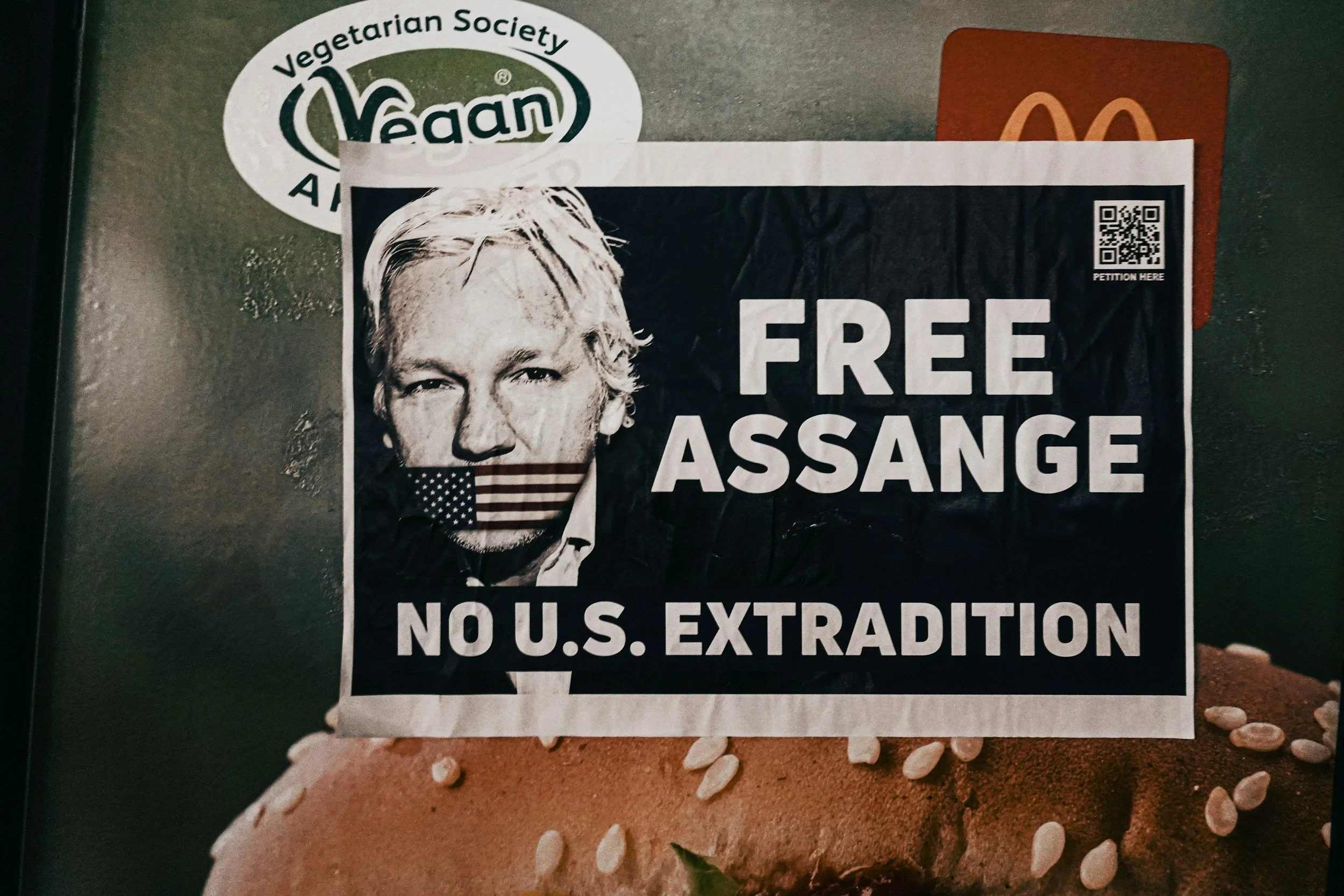
In 2010, Assange orchestrated the release of over 250,000 classified U.S. diplomatic cables in what became known as Cablegate. These cables laid bare the inner workings of U.S. foreign policy, revealing confidential communications between the State Department and its embassies around the globe. The fallout was immediate, straining diplomatic relations and exposing sensitive negotiations and candid assessments of foreign leaders.
The same year, WikiLeaks published the Iraq War Logs and the Afghan War Diary, two massive troves of classified U.S. military documents. These leaks detailed the intricacies of the wars in Iraq and Afghanistan, including unreported incidents and the names of local informants and collaborators. This disclosure put countless individuals at risk, exposing them to potential retaliation from insurgent groups.
Perhaps the most shocking release came with the Collateral Murder video, also in 2010. The classified footage showed a U.S. Apache helicopter attack in Baghdad that killed several people, including two Reuters journalists. The harrowing images sparked global outrage and brought public attention to the brutal realities of war, while causing profound distress to the families of the deceased journalists, Namir Noor-Eldeen and Saeed Chmagh.
In 2017, Assange struck again with Vault 7, a series of documents from the CIA’s Center for Cyber Intelligence. These leaks exposed sophisticated tools and methods used by the CIA for cyber-espionage and hacking, compromising the security and operational integrity of intelligence personnel and ongoing operations. The release of such detailed information posed a significant threat to national security, offering adversaries a blueprint of U.S. cyber capabilities.
The ripple effects of Assange’s actions have been profound. The disclosure of the Iraq and Afghan war logs alone jeopardized the lives of local informants and collaborators. Diplomatic relations were strained, intelligence and security personnel were endangered, and the general-public faced increased risks as national security was potentially compromised.
The Biden administration has cut a deal with Wikileaks founder Julian Assange, which will permit him to return to his home country of Australia. Assange was indicted under the Espionage Act in 2019 by Donald Trump’s administration.
The case was filed in Saipan, 7,800 miles from Washington, and the Prosecutors that were pursuing the case.
Why?
The Biden narrative is that it’s closer to his home, and he can fly back quicker. The Government has never been so concerned about the convenience of a defendant. Instead, this occurs in the 9th Circuit, which governs Saipan. For those who’ve never practiced there, this has important impacts on a Federal defendant. It’s a more defense-friendly environment with judges that sentence lower than anywhere in the country and with a Supreme Court justice overseeing the circuit that is more likely to back the Biden administration and its goals.
This is why it was the first choice of Assange’s counsel, Barry Polluck, who would naturally seek a more defense-friendly environment. Polluck argued that Assange could not get a fair trial or sentencing in the United States because of the publicity. The Government conceded to that request, an extraordinary concession given that a former United States President is being prosecuted in the D.C. Circuit currently.
After exchanging friendly quips with the judge, he was sentenced to much less than his “co-conspirator,” Chelsea Manning, who Former President Obama later pardoned.
During the Plea Hearing, Assange took a unique stance. Unlike a typical guilty plea, he did not accept responsibility for his crimes. This non-standard approach, standing before Judge Manglona, was a clear rejection of the usual legal process and requirement that he accept responsibility:
I believe the first amendment and the espionage act are in contradiction with each other but I accept that it would be difficult to win such a case given all the circumstances.
In addition he said:
Working as a journalist I encouraged my source to provide information that was said to be classified in order to publish that information. I believed the first amendment protected that activity but I accept that it was… a violation of the espionage statute.
Assange pleaded guilty to “information,” which is not an indictment handed down by a grand jury but rather a specifically negotiated document that likely removes certain language that Assange Disagrees with.
Pursuant to the expected terms of the plea agreement, he will be released pending sentencing and likely sentenced to “time served,” which will permit him to return to Australia.
Ronald Chapman II is the founder of Chapman, Dowling & Mallek and a top-rated Michigan federal criminal defense attorney who represents clients in federal courts nationwide. His practice is focused on defending individuals and organizations in complex federal prosecutions, including white-collar criminal matters and healthcare fraud investigations.
Throughout his career, Mr. Chapman has helped clients avoid more than $550 million in potential penalties, primarily in cases involving physicians, healthcare providers, executives, and professionals facing federal charges. He is widely recognized for his work as a Michigan healthcare fraud defense attorney, as well as for his results in white collar criminal defense in Michigan, where cases often involve parallel civil, regulatory, and criminal exposure.

Apr-8-2026
Hospice fraud is a serious enforcement priority for Medicare, and federal regulators are under pressure...
Apr-2-2026
In federal court, some of the most important battles happen after trial—on appeal—where the focus...
Jan-9-2026
Memphis, Tennessee – The verdict returned this week in United States v. Sanjeev Kumar closed...
Dec-31-2025
Dr. Lonnie Joseph Parker, a Texarkana physician, was recently convicted in federal court of unlawfully...
Serving Clients Nationwide.
Chapman, Dowling & Mallek is headquartered in Detroit, Michigan and represents clients in federal investigations and criminal matters across the United States. Our attorneys handle complex federal cases nationwide while maintaining offices in Michigan and other states.
456 E. Milwaukee, Detroit, MI 48202