Stem Cell FDA Warning Letter Defense | Regenerative Medicine Attorney
White Collar Criminal Defense Attorneys Trusted Nationwide
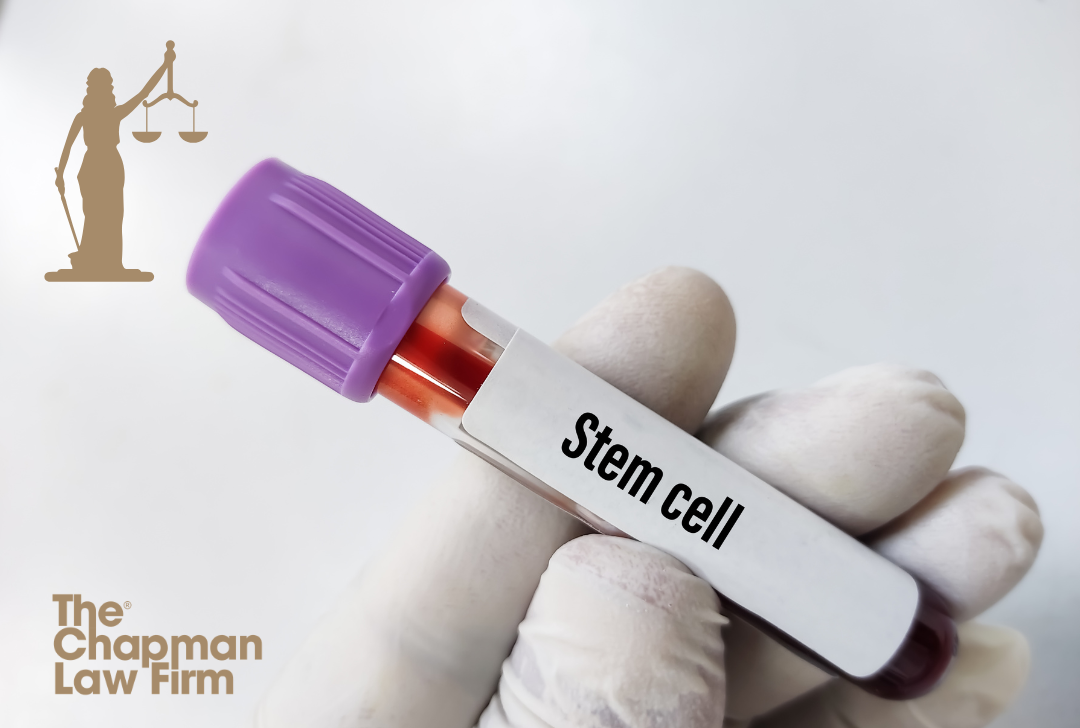
The stem cell and regenerative medicine space remains one of the most visible areas of FDA enforcement. Businesses in this sector often believe they are operating in a medical-practice lane, while FDA often views the same conduct through the lens of drugs, biologics, misbranding, unapproved new products, sterility risk, and marketing claims.
That gap in perspective is exactly why so many companies search for a stem cell FDA warning letter attorney only after the agency has already made contact.
FDA has repeatedly stated that regenerative medicine products are regulated by the agency and that many products marketed as stem cell or exosome therapies require FDA licensure or approval before they are lawfully marketed. The agency has also publicly warned about widespread marketing of unapproved products for a long list of diseases and conditions.
For clinics and businesses, the practical problem is that marketing language often becomes product-classification evidence. Website claims, social posts, seminar materials, intake forms, patient-consent language, and physician explanations can all be used to argue that the product is intended to diagnose, cure, mitigate, treat, or prevent disease—or to affect the structure or function of the body.
Once FDA takes that view, the case may no longer be about “innovative therapy.” It may become a classic enforcement case about unapproved biologics, misbranding, adulteration, or unlawful distribution.
Recent enforcement in this space shows recurring themes:
The message is consistent: if the agency thinks the business is selling a product that should have gone through FDA’s premarket framework, the fact that the business calls it regenerative medicine does not solve the problem.
Exosome businesses face two layers of risk. First, FDA has warned that exosomes intended to diagnose, treat, prevent disease, or affect body structure or function are regulated as drugs and biological products and are subject to premarket requirements. Second, FDA has issued public safety communications referencing serious adverse events associated with exosome products.
That means exosome marketing cases are not only about promotional language. They are often framed as public-health cases.
A warning letter in the stem cell space should be treated as a potential pivot point. What begins as a website-review or inspection matter can evolve into:
The stem cell sector has already seen FDA and DOJ pursue injunction litigation where the government concluded that clinics were marketing adulterated and misbranded stem cell products after opportunities to come into compliance.
This includes websites, social content, webinars, patient handouts, and third-party marketing pages.
Do not “clean up” the record by deleting old versions. Preserve the entire chain.
Many businesses have a business model without a defensible regulatory theory. Counsel needs to test the theory honestly.
How the product is recovered, processed, manipulated, stored, and administered often matters as much as the claim language.
A weak response in this space can invite stronger action.
Stem cell cases require a lawyer who can do more than quote regulations. They require someone who understands how government agencies reframe scientific and medical practices into enforcement narratives.
Ronald W. Chapman II brings exactly that perspective. He is a former federal prosecutor and U.S. Marine Corps Judge Advocate with an LL.M. in Health Care Law. He has defended professionals and regulated entities in complex healthcare-related federal matters, including cases where scientific evidence, professional judgment, billing theories, and regulatory issues collide. He also brings healthcare-regulatory experience through compliance, audit response, and internal-investigation work for providers and organizations.
That combination is important in stem cell matters because these cases often sit at the border between medicine, marketing, manufacturing, and federal power. A clinic needs more than a consultant. It needs counsel who can defend the business if the matter shifts from FDA correspondence to DOJ litigation.
No. FDA often treats the claims as evidence of product classification and intended use.
Sometimes those arguments matter, but they do not automatically defeat FDA’s authority over manufacturing, distribution, or marketing of regulated products.
Yes. FDA and DOJ have already shown a willingness to pursue injunction relief in stem cell matters.
Call to action: If your clinic or company received an FDA warning letter involving stem cells, exosomes, or regenerative medicine, the response needs to be built for the possibility of litigation—not just website edits.
Countless Quiet Resolutions
188 Federal Acquittals
Federal cases successfully defended — often before any public filing or charge.
United States v. S. K.
Court dismissed most counts in superseding indictment pre‑trial; “sex‑act” counts and over‑aggregated FDA counts tossed; limited FDA/fraud counts remained.
W.D. Tenn. 2025 Majority Dismissed
United States v. K. H.
Jury acquitted 6 distribution counts; hung on 2; prosecution later dismissed remaining count
E.D. Ky. 2024 6 Acquittals
Ron’s meticulous approach, combined with a relentless commitment to his clients, has led to precedent-setting victories that have reshaped federal healthcare fraud and white-collar criminal defense.

Record-setting trial victories in high-stakes federal cases have earned Ron national recognition among peers and clients alike. His results in complex white collar investigations demonstrate strategic mastery and courtroom precision. Learn more about Ronald Chapman II

Frequently featured on national media, Ron is a respected voice breaking down high-profile federal cases. His insight and clarity have made him a trusted analyst for complex legal and policy issues. See Ronald in the Media

Ron is the author of two acclaimed books on federal defense and investigations — essential reading for attorneys and professionals navigating the federal justice system. Explore Ronald's Books

Federal charges demand a defense team built for high-stakes cases. Individuals and businesses nationwide rely on Chapman, Dowling & Mallek because our structure, experience, and focus create direct advantages for every client we represent.
1 National-Level Federal Case Experience
You’re defended by attorneys who understand how federal cases unfold in multiple jurisdictions, giving you broader strategic protection and a defense built on real-world results.
2 Focus on Federal & White Collar Defense
You receive representation from attorneys who live and breathe federal law, giving you a stronger, more focused defense than general criminal defense firms can provide.
3 Strategic Advantage with Former Prosecutors
You get a defense strategy informed by the very people who used to build and prosecute these cases, giving you a real edge in negotiations, investigations, and trial.
4 Rapid, Private, No-Cost Consultations
You’re not left wondering what comes next, you get answers and direction right away that help you in any state, which is crucial when dealing with the federal government nationwide.
Speak directly with a federal attorney — available 24/7 for calls or texts.
Serving Clients Nationwide.
Chapman, Dowling & Mallek is headquartered in Detroit, Michigan and represents clients in federal investigations and criminal matters across the United States. Our attorneys handle complex federal cases nationwide while maintaining offices in Michigan and other states.
456 E. Milwaukee, Detroit, MI 48202